Company & Product
A little boost for every writer
Bring writing, feedback, and the next teaching step together. Make room for the ideas that come next.




Evidence-informed articles on the explicit teaching of writing and spelling, and on feedback that moves learning forward.
Bring writing, feedback, and the next teaching step together. Make room for the ideas that come next.

A practical writing-feedback routine: choose a focus, discuss a worked example, revise a passage and check independent use in a later task.

Plan spelling practice around explicit teaching: model a word pattern, inspect written attempts, revisit missed words and check transfer into writing.

Turn a class writing pattern into a focused lesson: inspect the drafts, model one decision, form flexible groups and check a fresh piece of writing.

The four NAPLAN proficiency levels explained: why bands were retired in 2023, what the 2026 writing results show, and how to set your school’s writing priority.
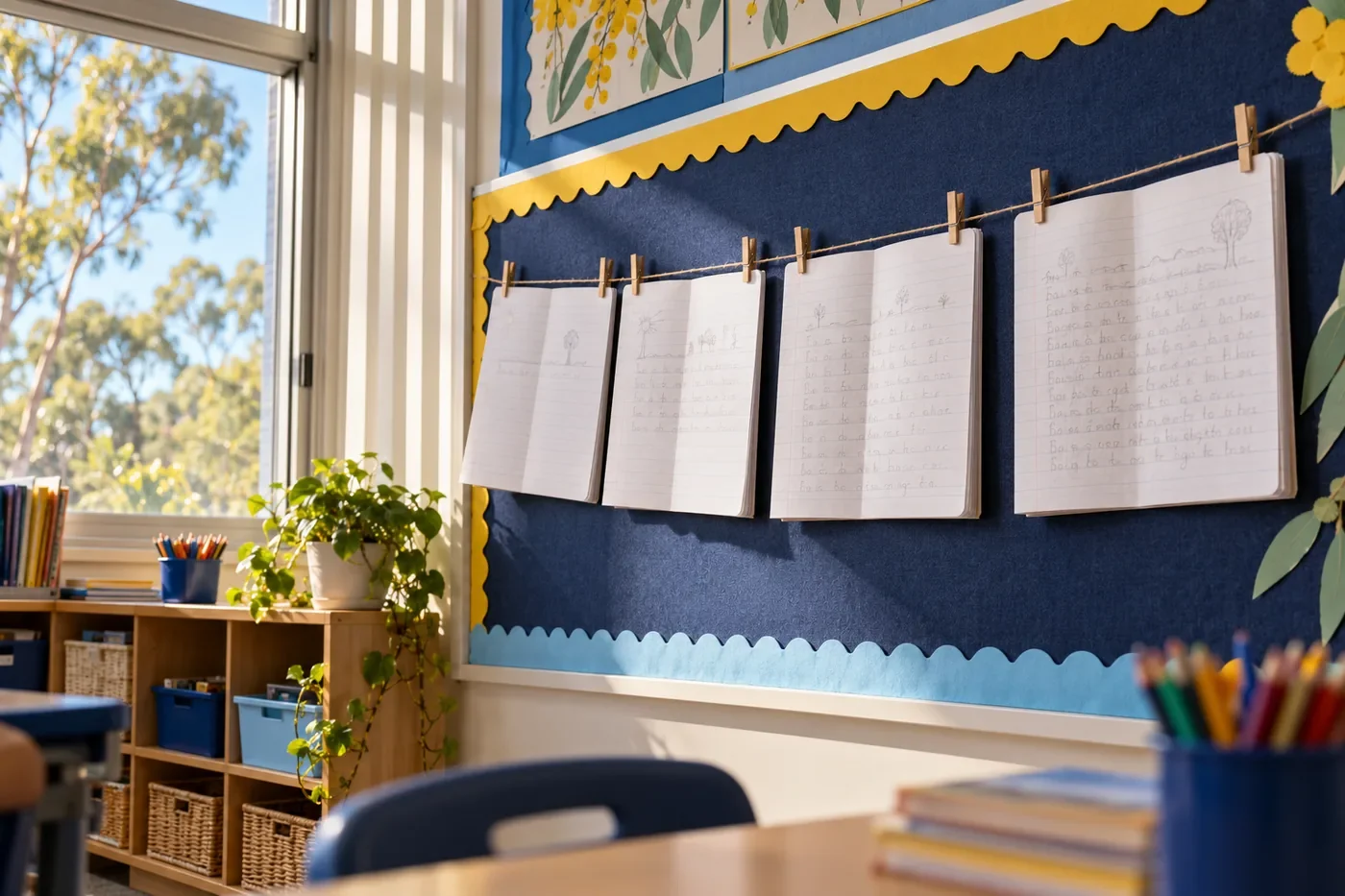
Connect the first draft, the next step, and the next lesson in one simple classroom routine.
Bring earlier drafts back into the conversation and celebrate the decisions behind better writing.
Help students improve one passage, explain their choices, and carry that learning into the next draft.

Look beyond right and wrong to find a pattern worth exploring with your class.

Use a shared writing sample to make your next team discussion practical and focused.

Give students a starting point, with enough space to make the writing their own.
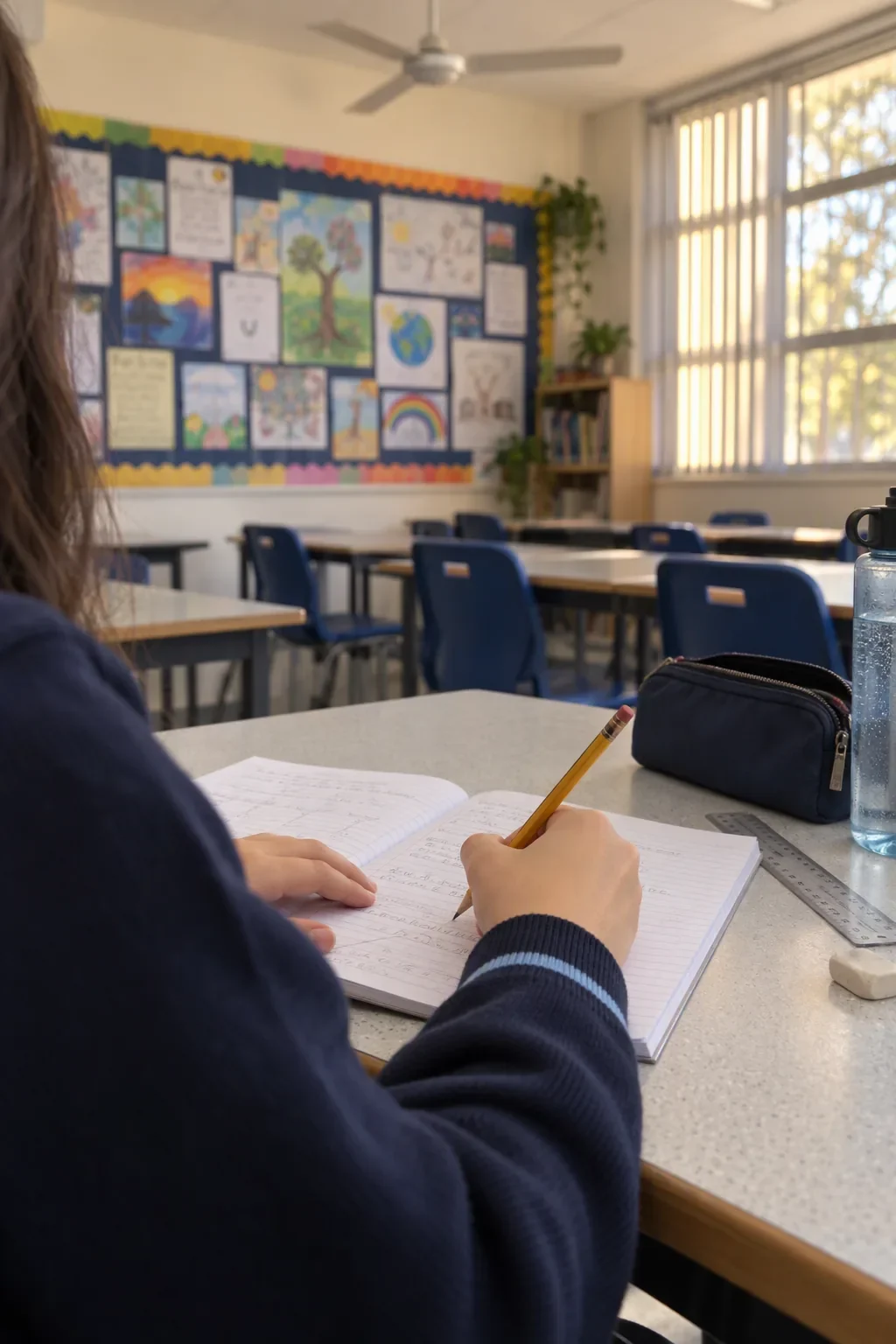
Use a read-aloud routine to notice missing words, repeated phrases, and sentences that need another look.
Plan a writing lesson with a model text, guided practice, independent drafting, focused feedback and a later check of the taught skill.
The 10 NAPLAN narrative and persuasive writing criteria explained for teachers, with classroom questions, official marking guides and a focused lesson example.

Use a short revisit to help students think about what they missed and what to try next.

Keep the original page close as you review a transcript and plan the next teaching step.
Move from a broad improvement priority to one teachable skill and a useful check-in.
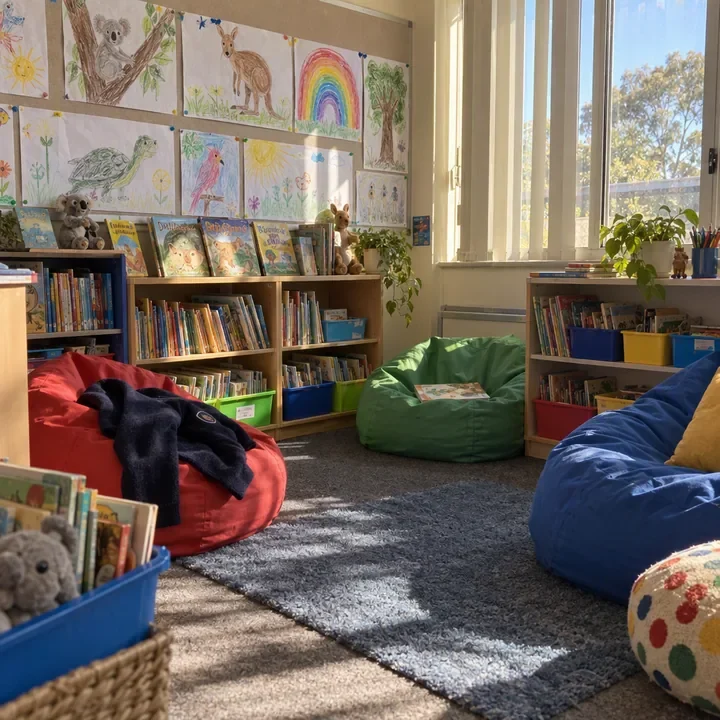
Use the books your class enjoys as a starting point for a week of original writing, discussion and revision.
Connect noticing, questioning and imagining with narrative and persuasive writing your class can make its own.

Make space for thoughtful stories about learning and persuasive writing about the classroom students want to be part of.
Turn this year’s Children’s Week theme into a persuasive task about the languages students would most like to learn.
Use everyday objects to spark stories about second chances and persuasive writing about smarter habits.
Help students write about kindness through specific actions, surprising helpers and well-argued nominations.

Connect food, farms and persuasive writing with a task about whether every class should visit a farm.
Use International Day of People with Disability to write persuasively and respectfully about including everyone.
Welcome summer with a heatwave story and a persuasive task about swimming lessons for every child.
No articles in this collection yet. View all articles