




Help & learning

Everything you need to teach with Writing Boost.

Short films, step-by-step guides and a real marked example, for teachers, students and school leaders.

Start here

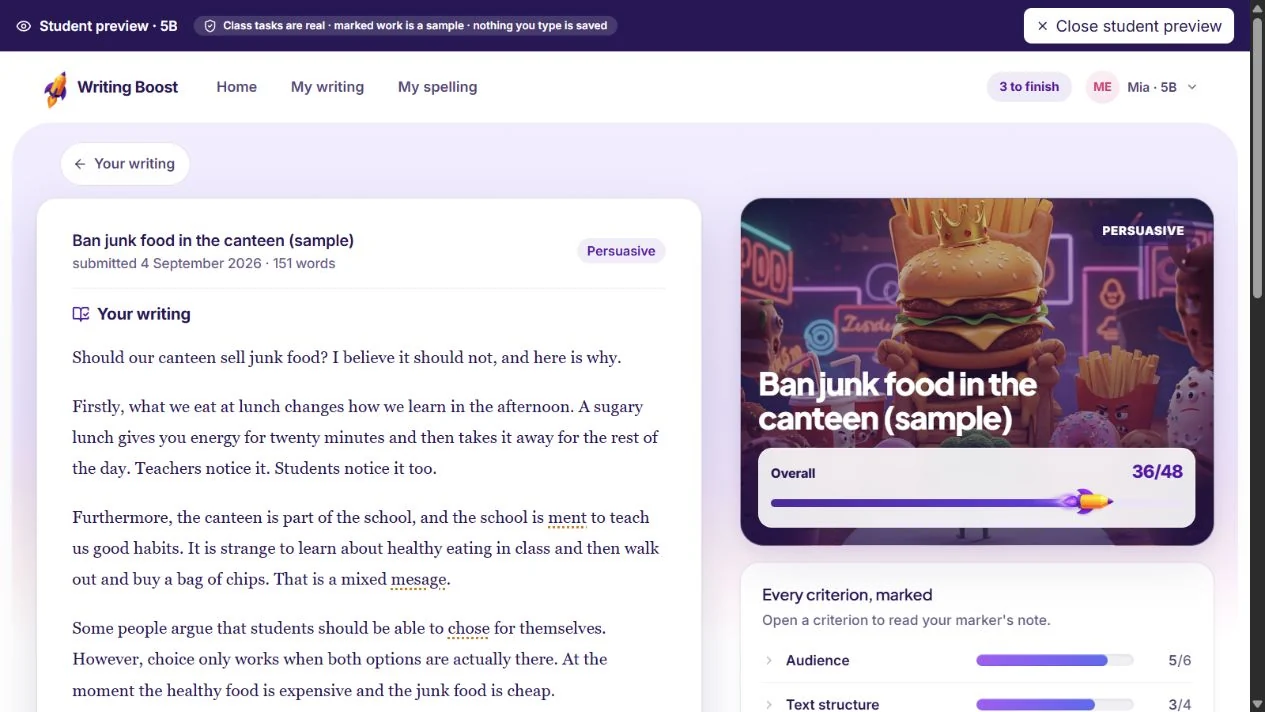
New here?2:19 How Writing Boost works One student’s writing, their class and the whole school, in a short film with captions. Watch the film

Explore by topic

Six topics. Every answer.

4 answers Getting started Your first steps, from signing in to a first piece of writing. 3 answers Spelling Boost Spelling practice, audio and word meanings. 4 answers Classes & teaching Turn criterion-level patterns into an explicit lesson, group students who share a learning need, and follow each student’s writing over time. 3 answers School administration School access, pricing and school-wide progress. 3 answers Account & troubleshooting Sign-in problems, page errors and privacy questions.

Find your path

Start from where you sit.

Choose your role for the answers that matter most to you, in the order you’ll need them.

Watch and learn

See it, don’t just read it.

A short film, a real recording of the app, free professional learning on the NAPLAN writing criteria for staff, and short writing lessons for your class.

For class43 filmsYears 3 to 9

Student NAPLAN videos

Short writing lessons to play in class, from ideas and audience to punctuation and spelling, for Years 3 to 6 and 7 to 9.

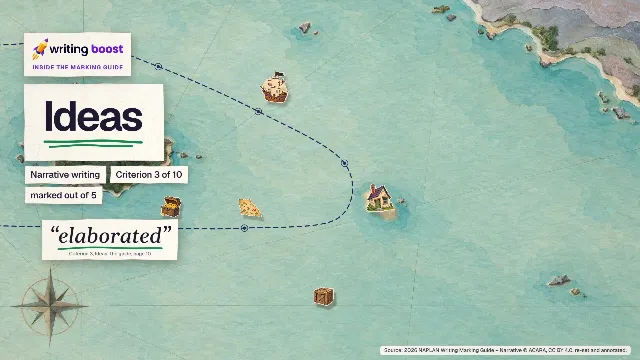
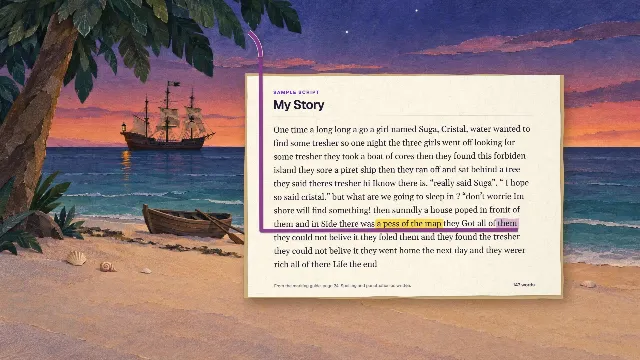
  1. Free with your email Years 3–62 min Ideas: From spark to story
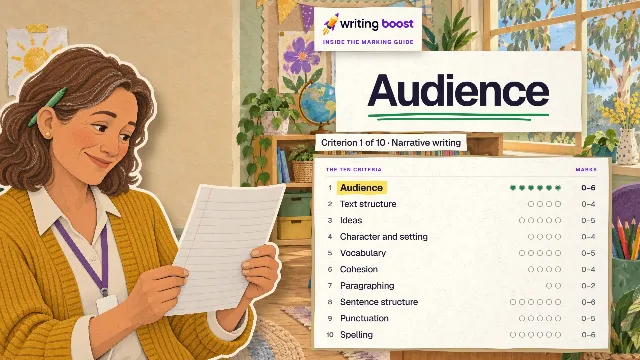
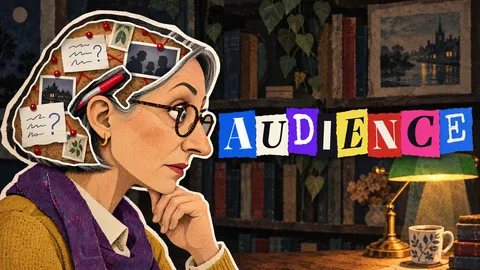
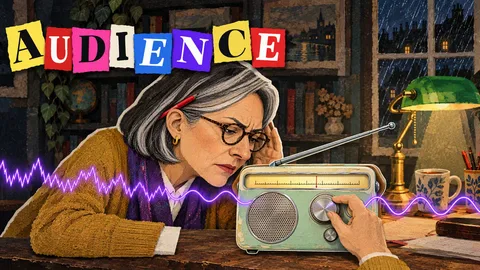
  2. Open now Years 3–62 min Audience: Meet your reader
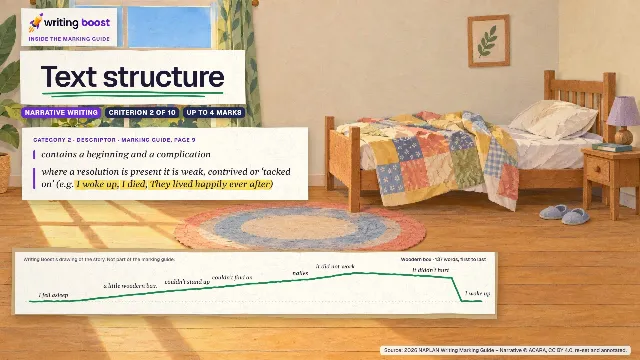
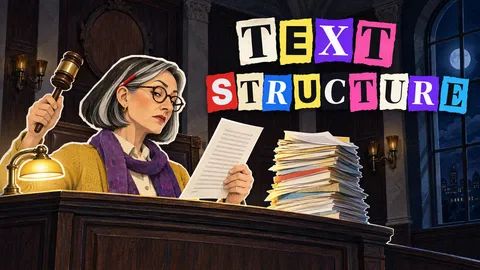
  3. Free with your email Years 3–62 min Text structure: How it's built
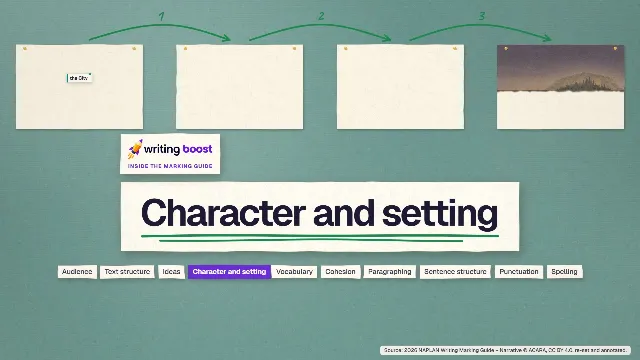
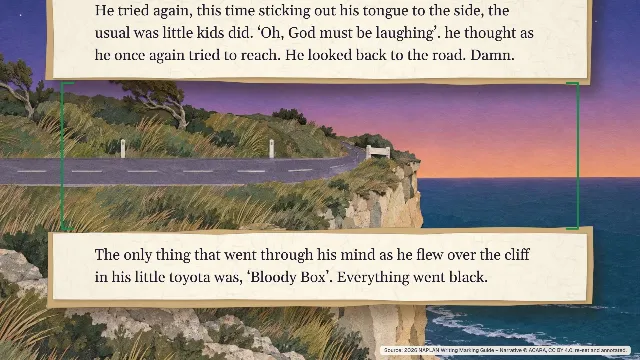
  4. Free with your email Years 3–63 min Character and setting: Bring your story to life
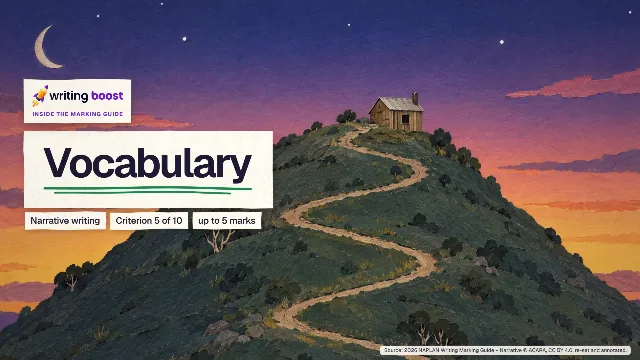
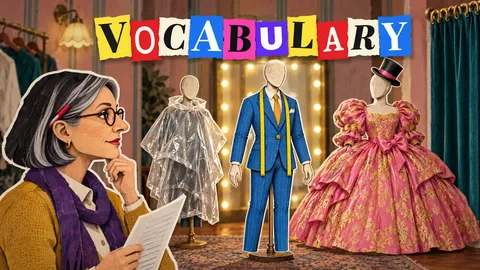
  5. Free with your email Years 3–63 min Vocabulary: Pick the perfect word
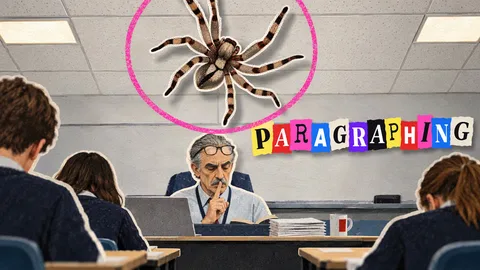
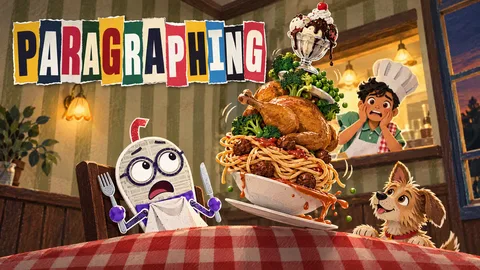
  6. Free with your email Years 3–63 min Paragraphing: One idea at a time
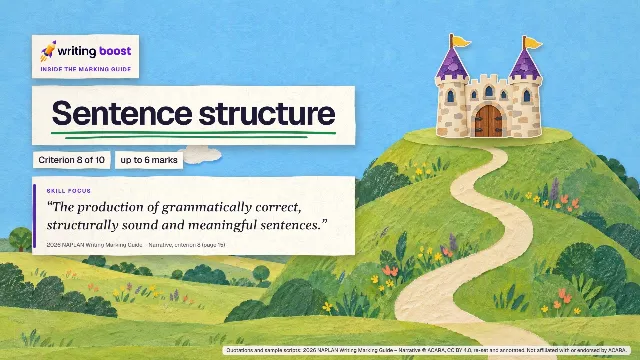
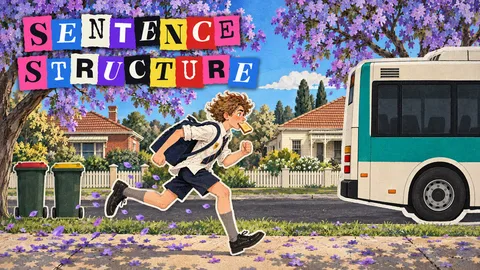
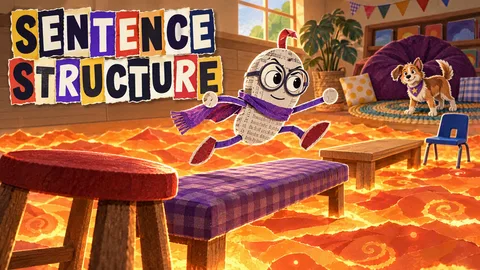
  7. Free with your email Years 3–62 min Sentence structure: Build a better sentence
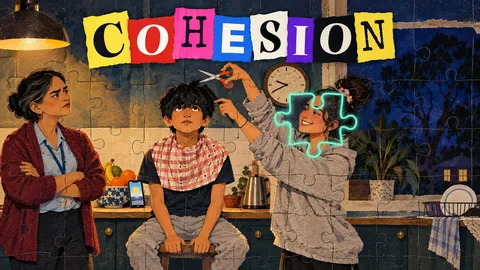
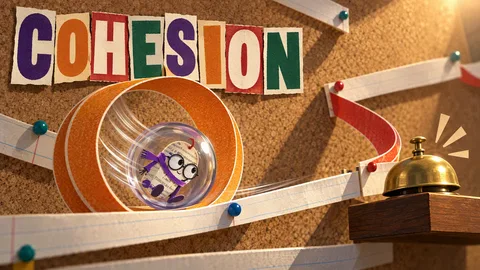
  8. Free with your email Years 3–62 min Cohesion: Make it all join up
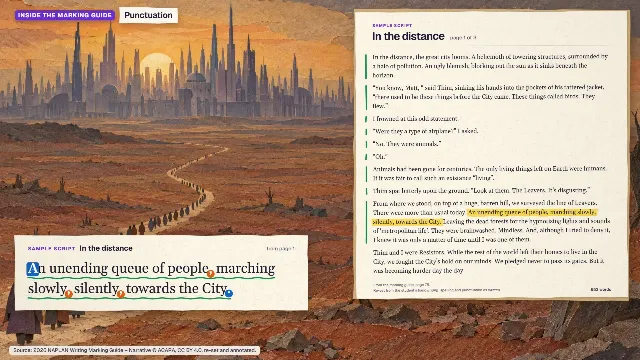
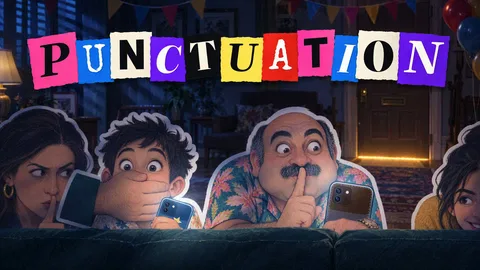
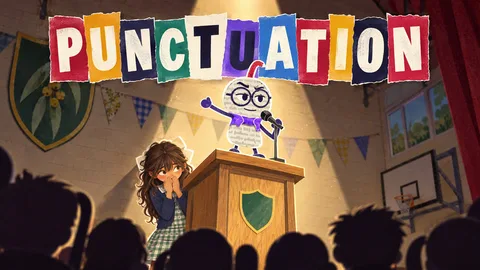
  9. Free with your email Years 3–63 min Punctuation: Tell your reader how to read it
  10. Free with your email Years 3–62 min Who's talking?: New speaker, new line
  11. Free with your email Years 3–63 min Splice commas: Stop or keep going?
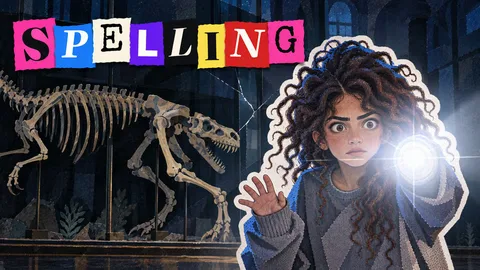
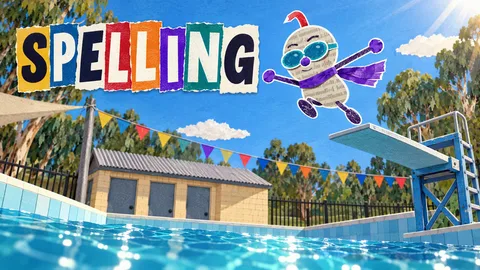
  12. Free with your email Years 3–62 min Spelling: Brave words, spelled right
  13. Free with your email Years 7–93 min Ideas: Go past the first idea
  14. Free with your email Years 7–93 min Audience: Get inside your reader's head
  15. Free with your email Years 7–94 min Text structure: Make every domino count
  16. Free with your email Years 7–93 min Character and setting: No default settings
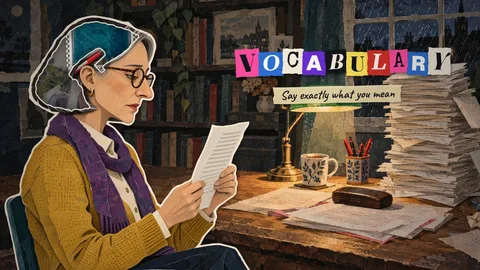
  17. Free with your email Years 7–93 min Vocabulary: Say exactly what you mean
  18. Free with your email Years 7–93 min Paragraphing: Direct your reader
  19. Free with your email Years 7–93 min Sentence structure: It's how you build it
  20. Free with your email Years 7–94 min Cohesion: Make it click
  21. Free with your email Years 7–94 min Punctuation: Wait for it.
  22. Free with your email Years 7–93 min Spelling: Don't break the spell
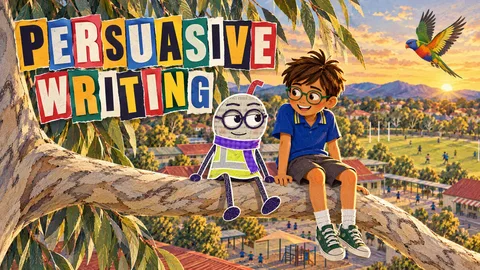
  23. Free with your email Years 3–63 min Persuasive writing: Convince me!
  24. Free with your email Years 3–63 min Audience: Win your reader over
  25. Free with your email Years 3–63 min Text structure: How it's built
  26. Free with your email Years 3–63 min Ideas: Make it fly
  27. Free with your email Years 3–63 min Persuasive devices: More than a hammer
  28. Free with your email Years 3–63 min Vocabulary: The right words open doors
  29. Free with your email Years 3–63 min Cohesion: Chain reaction
  30. Free with your email Years 3–63 min Paragraphing: Course by course
  31. Free with your email Years 3–63 min Sentence structure: Stepping stones
  32. Free with your email Years 3–63 min Punctuation: Let your marks do the talking
  33. Free with your email Years 3–63 min Spelling: Sink or swim
  34. Free with your email Years 7–93 min Audience: On her wavelength
  35. Free with your email Years 7–93 min Text structure: Make your case
  36. Free with your email Years 7–93 min Ideas: The bigger picture
  37. Free with your email Years 7–94 min Persuasive devices: Fill the floor
  38. Free with your email Years 7–94 min Vocabulary: Made to measure
  39. Free with your email Years 7–93 min Cohesion: Mind the gap
  40. Free with your email Years 7–94 min Paragraphing: Swipe by swipe
  41. Free with your email Years 7–94 min Sentence structure: Load-bearing
  42. Free with your email Years 7–94 min Punctuation: Give way
  43. Free with your email Years 7–93 min Spelling: Clean send

Free for your classroom

Ready for tomorrow’s lesson.

Prompts, packs, lessons and spelling practice made for Australian classrooms. Use them with or without Writing Boost.

Most asked

The questions we hear most.

Sign in to Writing BoostFind the right place to log in and access your school workspace.
  1. Open the Writing Boost app using the link below. Use the account or sign-in instructions provided by your school.
  2. Students who do not have their sign-in details should ask their teacher. Teachers who need school access can check with their school’s Writing Boost administrator.
  3. If you can sign in but cannot see the expected class or workspace, ask your school administrator to check your access.
Read it in Getting started
Work with handwritten writingStudents write on paper; teachers review and submit the work.
  1. Students open the task prompt, write on paper and give their pages to their teacher.
  2. Teachers capture or upload the pages. Use good lighting and a flat page, keep the full page in the frame and check that every page belongs to the correct student and task.
  3. Teachers compare the editable transcript with the original page, correct recognition errors and submit the work for marking. Students can read the feedback when it is ready and ask their teacher about anything that does not match their writing.
Read it in Writing & feedback
Understand writing feedbackRead strengths and next steps alongside the writing.
  1. Read the student’s writing alongside the feedback. Start with a strength the student can recognise in their own work.
  2. Use criterion-level feedback to choose a specific next step. Writing Boost supports NAPLAN narrative and persuasive criteria.
  3. Treat feedback as a starting point for teacher judgement and discussion. Check any suggestion that does not fit the writing, task, or learner.
Read it in Writing & feedback
Understand school pricingSee the bundled school plan, get a proposal and arrange your order.
  1. Writing Boost + Spelling Boost in one school plan, from $1,000 per year, excluding GST. Teacher and leadership access and guided onboarding are included.
  2. Prep/Foundation, Year 1 and Years 10–12 are included free with a paid plan, where offered. Paid year levels are Years 2–9.
  3. Find your school on the pricing page, choose your year levels and check enrolments to see your annual price. No demo or contact details are required to explore.
  4. Choose Send me a quote and proposal, then enter your name, role and work email. We’ll email a fixed quote and a proposal you can share with your team.
  5. Review your proposal, then contact our team to confirm subscription dates, purchasing terms and order documents. Requesting a proposal does not place an order or take payment.
  6. For an existing invoice or plan question, contact the team with your school name and invoice reference, if available.
Read it in School administration
I cannot log inCheck your sign-in details and find the right person to help.
  1. Check that you are at app.writingboost.com.au and using the sign-in method your school provided.
  2. Check for typing mistakes or an unintended account selected in your browser. If you need your details reset, use the recovery option offered by the app or ask your school administrator.
  3. Students should ask their teacher for help. If the problem continues, contact support with the error message and your school name. Do not send your password.
Read it in Account & troubleshooting
Start a spelling practice routineUse audio, context, and another attempt to build understanding.
  1. Introduce a small, focused spelling task that fits your teaching program.
  2. Encourage students to listen to the word and its sentence context before attempting it.
  3. After feedback, discuss the useful spelling pattern and give students another opportunity to practise.
Read it in Spelling Boost
30-minute school demo

See Writing Boost with your school in mind

A walkthrough with our team, shaped around your year levels and the writing goals in your improvement plan.

In 30 minutes, you’ll see

  • Writing marked on the NAPLAN criteria, with feedback
  • Smart Groups for teaching, and the leadership view
  • Spelling Boost, in the same school plan
  • Answers on pricing, onboarding and privacy

Scott LettsHosts our school demos

Still need a hand?

Tell us your school name, what you were doing and what you expected to see. Leave passwords and student details out.

How Writing Boost works

Fictional students and illustrative data. Captions are available in the player.